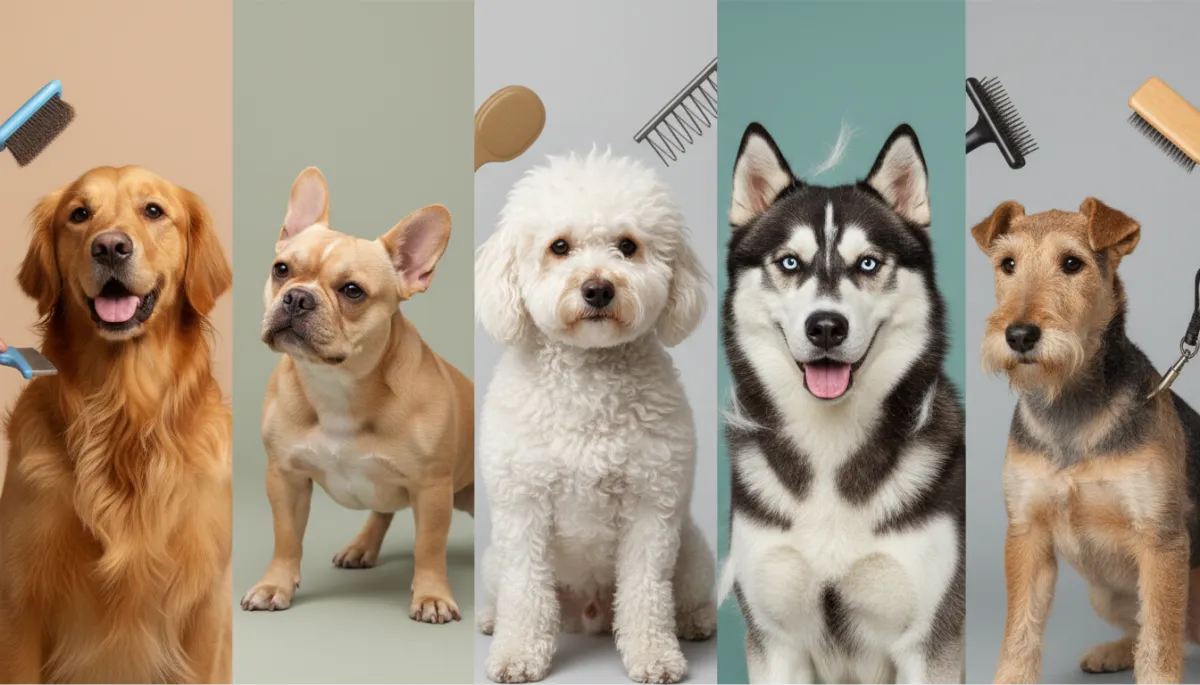
Brush Your Dog's Coat by Breed Type
Dog Care, Grooming, Pet Health
How to Properly Brush Your Dog's Coat by Breed Type
Brushing your dog is about much more than keeping them looking cute. The right technique, tools, and routine help prevent painful mats, reduce shedding, and keep your pup’s skin healthy. Different coat types need different care, so let’s walk through exactly how to brush your dog based on their breed and coat style.
Why Brushing Matters for Every Coat Type
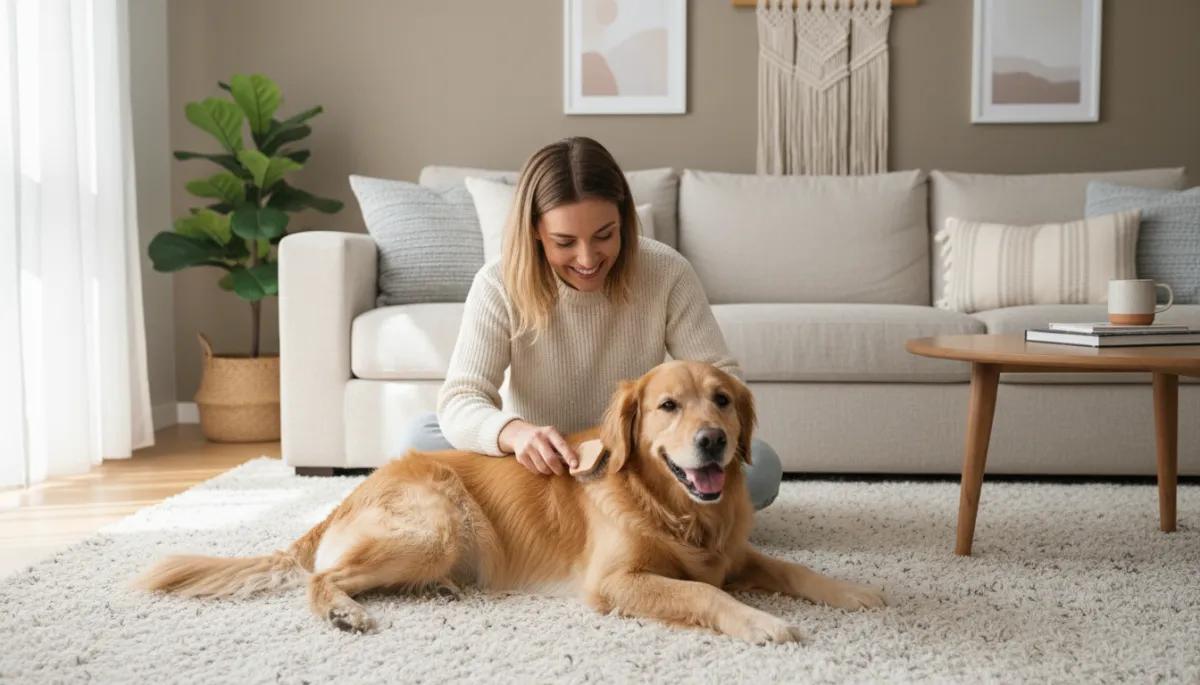
No matter your dog’s breed, regular brushing distributes natural oils, removes loose hair and dirt, and gives you a chance to spot skin issues early. It also becomes a bonding ritual your dog can genuinely enjoy when it’s done gently and consistently. The key is matching technique, tools, and frequency to your dog’s coat type.
Short Coats: Smooth and Easy-Care
Short-coated breeds like Beagles, Boxers, Pugs, and Dalmatians have sleek fur that lies close to the body. They may not look “hairy,” but many of them shed a surprising amount.
Recommended tools: rubber curry brush or grooming glove, soft-bristle brush, and a lint roller for your furniture and clothes.
Technique: Use a rubber curry or glove in circular motions to loosen dead hair and stimulate the skin, then follow with a soft-bristle brush in the direction of hair growth. Keep pressure light and calming, especially over bony areas like hips and shoulders.
Frequency: Two to three times per week is usually enough, though heavy shedders may benefit from quick daily sessions during seasonal sheds.

Short coats shed more than you think, and quick glove sessions keep hair under control.
Long Coats: Flowing Fur That Needs Daily Care
Long-coated breeds like Shih Tzus, Yorkshire Terriers, Afghan Hounds, and Maltese have beautiful, flowing hair that tangles easily. Without regular brushing, mats form quickly, especially around the ears, armpits, and behind the legs.
Recommended tools: slicker brush, metal greyhound comb (with both wide and narrow teeth), and a detangling spray formulated for dogs.
Technique: Work in small sections. Lightly mist the coat with detangler, then use the comb to start at the ends of the hair and gently work upward toward the skin. Follow with a slicker brush to smooth everything out. If you hit a knot, hold the hair above the tangle so you don’t pull the skin, and use small, patient strokes to tease it apart.
Frequency: Aim for daily brushing, or at least every other day, especially if your dog wears harnesses or plays outside where debris can catch in the coat.
Curly and Wavy Coats: Fluffy but Prone to Mats
Curly or wavy-coated breeds such as Poodles, Bichon Frisés, Portuguese Water Dogs, and many Doodles have hair that grows continuously and traps loose fur inside the curl. This makes them especially prone to dense mats close to the skin.
Recommended tools: slicker brush with longer pins, metal comb, and a high-quality detangling or conditioning spray. For thick coats, a dematting tool can help with mild tangles (never on severely matted areas).
Technique: Many groomers recommend the “line brushing” method. Lay the coat flat with your hand, then create a “line” by parting the hair to expose the skin. Brush from the skin outward in small sections with the slicker, then check your work with the comb. If the comb glides through, you’ve fully detangled that area before moving on.
Frequency: At least three to four times per week, and ideally every day for Doodles or very dense coats. Skipping sessions quickly leads to tight mats that often require shaving.
Double Coats: Managing Undercoat and Shedding
Double-coated breeds like Golden Retrievers, German Shepherds, Huskies, and Corgis have a soft, dense undercoat beneath a harsher topcoat. They “blow” their coats seasonally, shedding huge amounts of undercoat in clumps if not brushed out properly.
Recommended tools: slicker brush, undercoat rake, and a metal comb. Use deshedding tools carefully and avoid anything that cuts the coat, which can damage the fur’s natural structure.
Technique: Start with the slicker brush to remove surface tangles, then gently pull the undercoat rake through the fur in the direction of growth. Focus on high-shed areas like the rump, neck, and pants (back of the legs). Finish with a comb to check for hidden knots behind ears and in feathering.
Frequency: Once or twice weekly in normal seasons, but increase to daily brushing during spring and fall coat blows to prevent clumps and reduce hair all over your home.
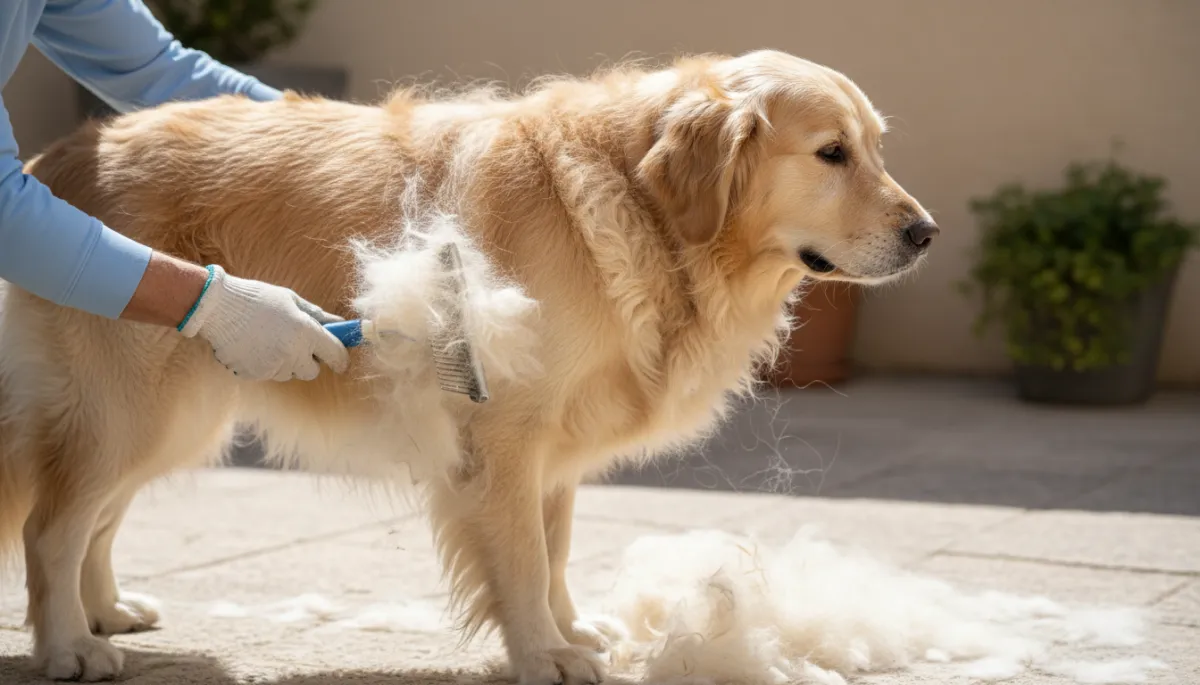
Regular undercoat care keeps double-coated breeds cooler and reduces heavy seasonal shedding.
Wiry Coats: Textured Fur That Needs Gentle Handling
Wiry or broken coats are common in breeds such as Terriers (like Jack Russell, Border, and West Highland White), Schnauzers, and Wirehaired Dachshunds. Their coarse outer coat protects a softer undercoat and gives that charming “scruffy” look.
Recommended tools: slicker brush, metal comb, and a soft bristle brush. Hand-stripping knives or stones are sometimes used by professionals to maintain show coats, but pet owners can usually stick with regular brushing unless advised otherwise by a groomer.
Technique: Brush in the direction of coat growth using a slicker to remove loose hairs, then comb through to catch any tangles, especially in the beard, eyebrows, and leg furnishings. Be gentle—wiry coats can look tough but still pull on the skin if you rush.
Frequency: Two to three times per week keeps wiry coats tidy and prevents small tangles from forming in beards and feathering.
General Tips to Prevent Mats and Tangles
Whatever your dog’s coat type, these simple habits will dramatically reduce mats, tangles, and grooming stress:
- Brush before baths: Water tightens existing knots, so always detangle thoroughly first.
- Check friction areas daily: Behind ears, under collars and harnesses, armpits, and between back legs are mat “hot spots.”
- Use the comb test: After brushing, run a comb through. If it snags, that area still needs work.
- Keep sessions short and positive: Offer treats, praise, and breaks so your dog learns that brushing feels good.
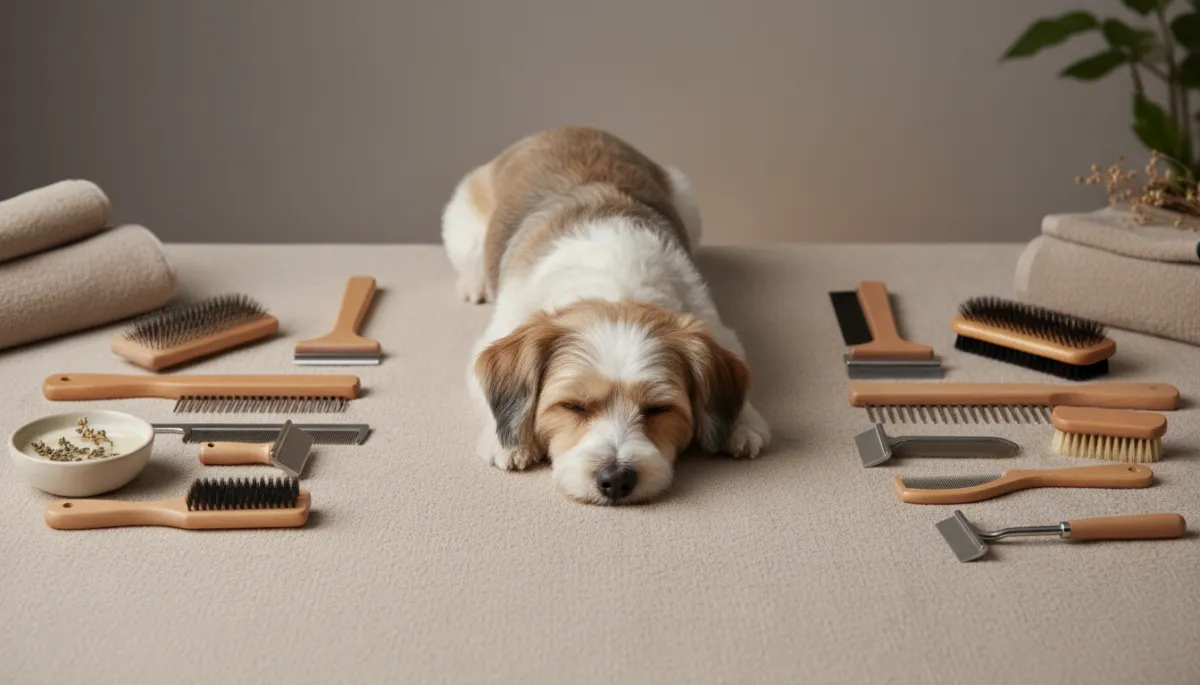
The right tools and a gentle routine turn brushing into a relaxing ritual.
Making Brushing a Routine You Both Enjoy
Proper brushing doesn’t have to be complicated or time-consuming. When you choose the right brush for your dog’s coat type and stick to a regular schedule, you’ll prevent mats and tangles long before they start. Even more importantly, you’ll create a calm, loving ritual that strengthens your bond and keeps your dog comfortable from nose to tail.
