Essential Grooming Tools for Every Dog Owner
Dogs, Grooming, Pet Care
Grooming Tools Every Dog Owner Should Have
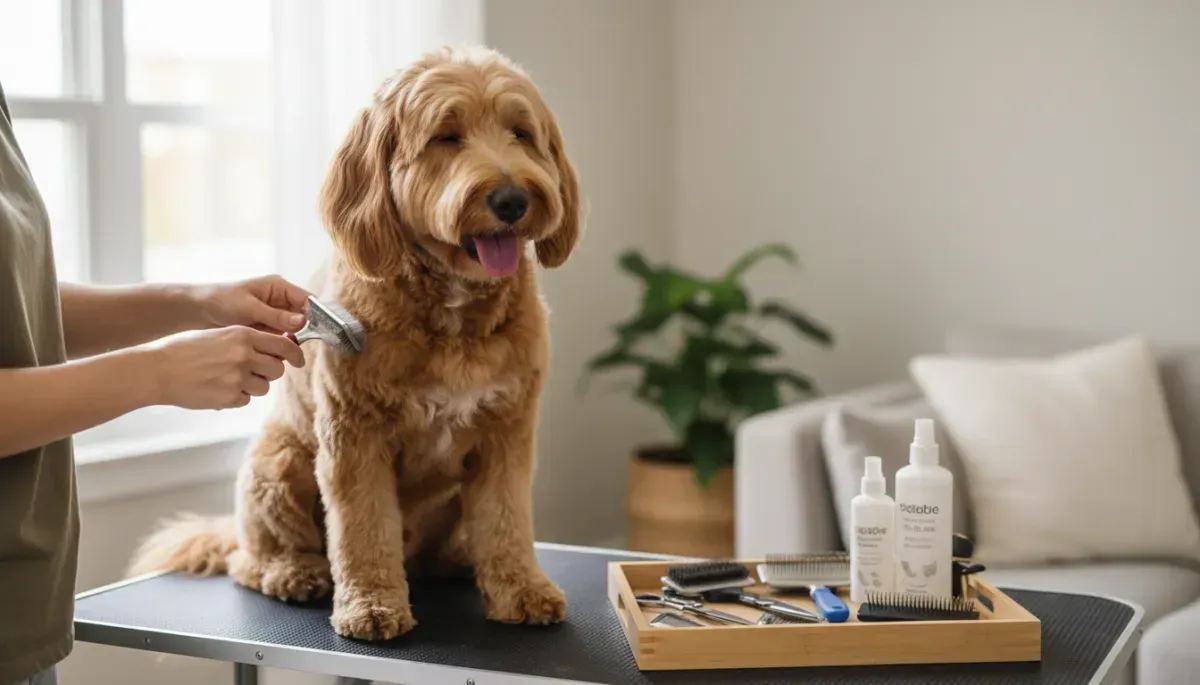
A well-groomed dog is more than just cute; regular grooming keeps skin healthy, reduces shedding, and helps you spot issues early. The good news is you don’t need a professional salon setup to keep your pup in great shape—just the right tools and a little know‑how. Let’s walk through the essential grooming tools every dog owner should have, what each one does, how to choose quality options, and where you can save or splurge.
Slicker Brushes: Your Everyday Detangling Hero
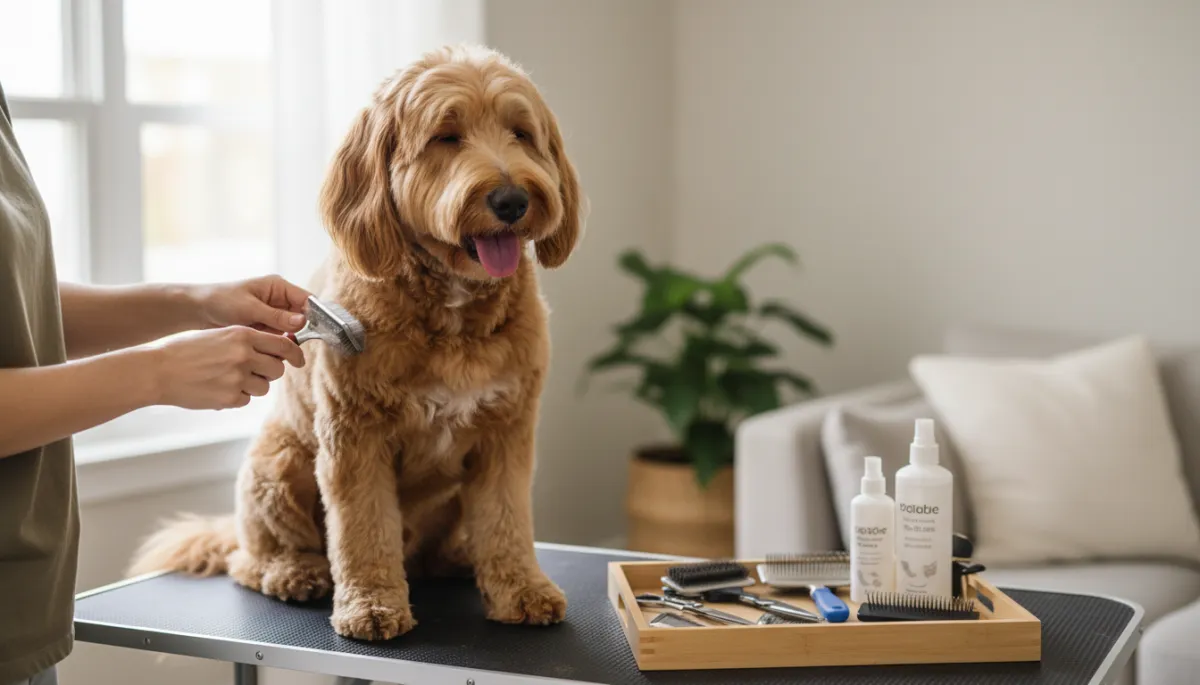
Slicker brushes have a flat or slightly curved head filled with fine, short wire bristles. They’re fantastic for removing loose hair, light tangles, and surface mats on medium to long coats, curly coats, and double‑coated breeds like Goldendoodles, Spaniels, and Huskies. Use gentle, short strokes, especially on sensitive areas like the belly and behind the ears.
When choosing a slicker brush, look for cushioned pads, flexible pins, and a comfortable, non‑slip handle. Budget slickers can work well for occasional use, but premium versions often have softer pins and ergonomic handles that are kinder to your dog’s skin and your wrists during longer sessions.
Pin Brushes: Great for Fluff and Finish
Pin brushes look similar to a human hairbrush, with metal pins spaced across a cushioned base. They’re ideal for long, silky coats or for “fluffing” the coat after you’ve used a slicker or comb. Breeds like Yorkies, Setters, and Collies benefit from regular pin brushing to keep their hair smooth and tangle‑free on the surface.
Choose a pin brush with rounded or coated tips to avoid scratching the skin. Budget brushes may have rougher pins that snag; premium brushes usually glide more smoothly and last longer. If your dog has a sensitive coat, this is one tool where spending a bit extra can make grooming much more pleasant.
Bristle Brushes: For Shine and Short Coats
Bristle brushes use tightly packed natural or synthetic bristles to smooth the coat and distribute natural oils. They’re especially helpful for short‑haired dogs like Beagles, Boxers, and Pugs, adding shine while gently removing surface dust and loose hair. They also feel like a nice massage, which many dogs adore.
For short, smooth coats, choose firmer bristles; for longer or finer hair, softer bristles are more comfortable. Budget bristle brushes are often perfectly adequate, but premium ones with natural bristles and solid wood handles can be more durable and eco‑friendly if you groom frequently.
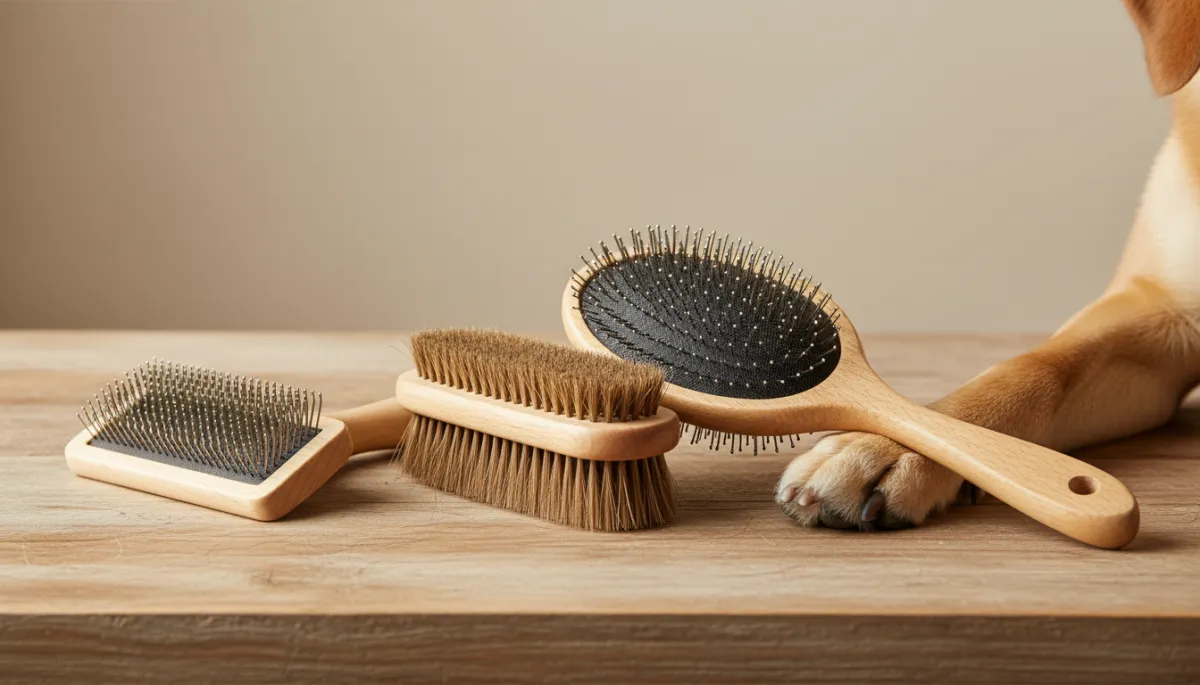
Matching the brush type to your dog’s coat makes grooming faster and gentler.
Dematting Combs: Tackling Tough Knots Safely
Dematting combs (or rakes) have fewer, sharp, curved blades designed to slice through stubborn mats. They’re best for localized tangles behind the ears, under the collar, or in feathering on legs and tails. Always hold the mat at the base, close to the skin, and work from the ends inward to avoid pulling painfully.
Look for a dematting comb with protected blade edges and a solid grip. This is one tool where quality really matters: cheap versions can be too sharp or poorly finished. Premium dematters often have replaceable blades and better safety guards, which are worth it if your dog mats easily.
Deshedding Tools: Managing Seasonal Fur Storms
Deshedding tools reach into the undercoat to remove loose hair before it ends up on your furniture. They’re especially useful for double‑coated breeds like Labs, Shepherds, and Corgis during spring and fall shedding seasons. Used once or twice a week, they can dramatically cut down on tumbleweeds of fur around the house.
Choose a tool sized for your dog, with a stainless steel edge and a comfortable handle. Budget deshedders can work, but may be harsher on the coat. Premium brands often have well‑designed teeth that remove undercoat without damaging the topcoat, plus quick‑release buttons to clear hair from the blade easily.
Nail Clippers vs. Grinders: Keeping Paws Comfortable
Overgrown nails can cause discomfort and even affect your dog’s posture. You have two main options: nail clippers and grinders. Clippers (guillotine or scissor style) cut the nail quickly and quietly. They’re great for dogs who tolerate handling well and for owners comfortable judging where the quick (the sensitive inner part) is.
Grinders use a rotating sanding tip to file the nail down gradually. They’re helpful for thick, dark nails where the quick is hard to see, or if you want very smooth edges. However, they make noise and vibration, which some dogs dislike. For clippers, invest in a sharp, stainless steel pair—cheap ones dull quickly and crush the nail. With grinders, budget models can be fine for occasional trims, but premium versions tend to be quieter, more powerful, and come with multiple sanding heads.
Grooming Scissors: Trimming with Care
Grooming scissors help you tidy up around the eyes, paws, sanitary areas, and any uneven tufts. For safety, start with rounded‑tip “safety” scissors, especially around the face and feet. Always keep your fingers between the skin and the scissors when possible, and work slowly with a calm dog.
Quality scissors have sharp blades, smooth action, and comfortable finger holes. Budget sets are fine for light touch‑ups, but if you plan to do more serious trimming, a premium pair designed specifically for pets will cut more cleanly and last longer than repurposed craft or kitchen scissors.
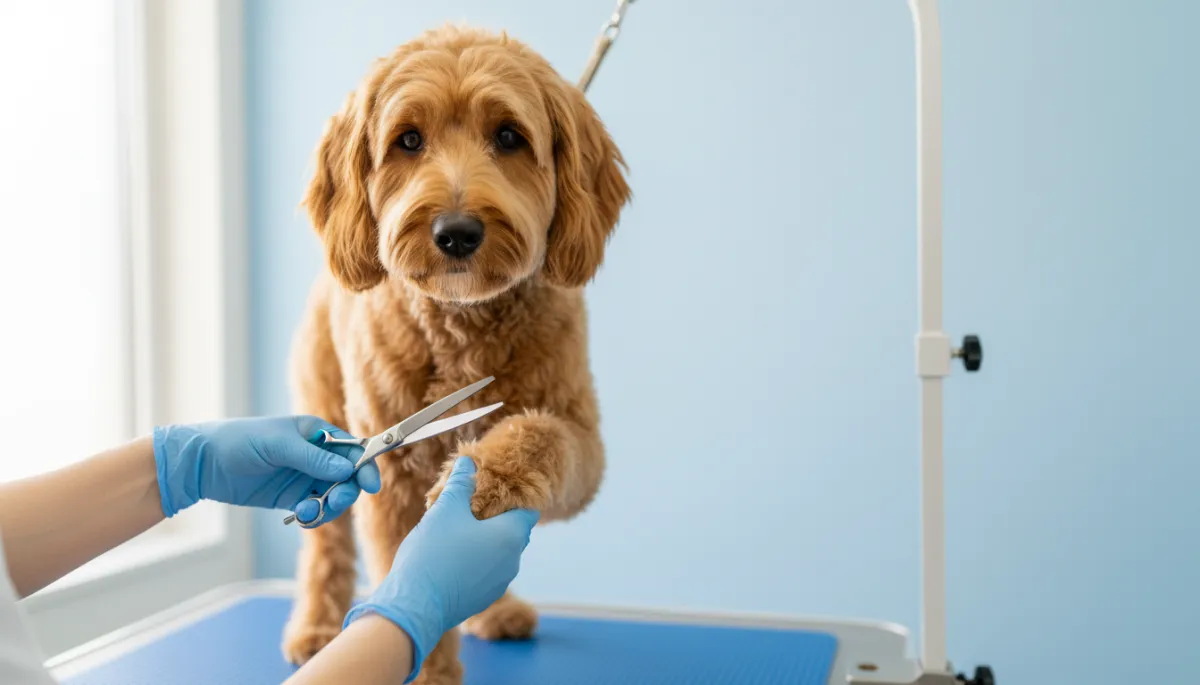
Safety scissors and a stable surface make at-home trims much less stressful.
Ear Cleaning Solution: Preventing Painful Infections
Regular ear checks are essential, especially for floppy‑eared breeds. A dog‑specific ear cleaning solution helps dissolve wax and debris while drying excess moisture. Apply the solution as directed, gently massage the ear base, then wipe away loosened gunk with cotton pads (never cotton swabs deep in the ear canal).
Always choose products labeled for dogs, ideally recommended by your vet. Budget options from reputable pet brands are usually fine for routine cleaning. Premium formulas may include soothing ingredients like aloe or chamomile, which can be helpful for sensitive ears or dogs prone to irritation.
Dog-Safe Toothbrushes and Toothpaste: Fresh Breath, Healthy Smile
Dental care is often overlooked, but plaque and tartar can lead to painful dental disease. Dog‑safe toothbrushes come in finger brush and handled styles. Finger brushes give you more control for small dogs; handled brushes reach better in larger mouths. Always use dog toothpaste—human toothpaste can be toxic and foamy, which dogs shouldn’t swallow.
Look for soft bristles and flavors your dog enjoys, like poultry or peanut butter. Budget kits that include a brush and paste are a great starting point. Premium products may offer enzymatic formulas that help break down plaque more effectively, which can be worth it if your dog is prone to buildup or you brush less frequently than ideal.
Grooming Tables: Optional, but Surprisingly Helpful
A grooming table isn’t strictly essential, but it can make life easier—especially for medium and large dogs or if you groom regularly. A table raises your dog to a comfortable height, provides a non‑slip surface, and creates a clear “grooming zone” that many dogs learn to stand calmly on. Some tables include an arm and loop to help keep your dog safely in place (always supervised).
For occasional home use, a sturdy foldable table is a good budget choice. If you groom multiple dogs or have a large breed, a premium, heavy‑duty table with adjustable height and strong hardware will be more stable and comfortable for both of you. At minimum, use a non‑slip mat on any surface you groom on so your dog feels secure.
Building a small toolkit of the right grooming tools turns grooming from a chore into quality bonding time. Start with the basics—one or two brushes suited to your dog’s coat, nail clippers or a grinder, ear cleaner, and a dental kit—then add specialized tools like dematting combs, deshedders, and a grooming table as needed. With patience, treats, and the right equipment, you’ll keep your dog looking and feeling their best between professional visits.
