
How Much Exercise Does Your Dog Need?
Dogs, Pet Health, Exercise, Dog Training
How Much Exercise Does Your Dog Really Need?
Helping your dog burn the right amount of energy can transform life at home—from fewer zoomies on the couch to a calmer, happier companion. Let’s break down exactly how much exercise your dog really needs and how to make every minute fun and safe.
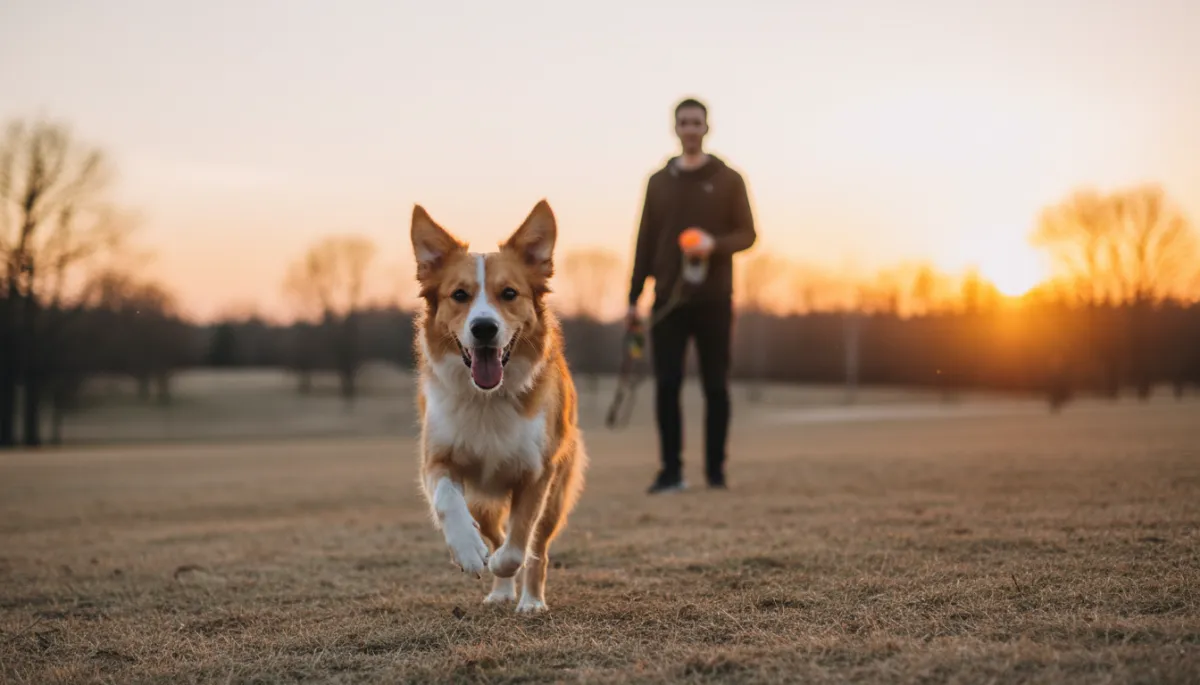
Exercise Needs by Breed Group
Not all dogs are built for marathon runs—or for all-day naps. Breed group offers a powerful clue to how much movement your dog craves each day.
- Herding breeds (Border Collies, Australian Shepherds, Corgis): Energy powerhouses. Aim for 90–120 minutes of daily exercise, including mentally challenging games like herding-style fetch or agility-style play.
- Sporting breeds (Labradors, Goldens, Spaniels): Bred to work all day in the field. Plan for 60–90 minutes of active play, swimming, and longer walks or jogs.
- Working breeds (Boxers, Rottweilers, Huskies): Strong, driven dogs that need jobs. Most thrive with 60–120 minutes of exercise plus “work” like pulling a light cart, hiking with a backpack, or structured obedience.
- Hound breeds (Beagles, Greyhounds, Dachshunds): Scent and sight hounds love to follow their noses or sprint. Aim for 45–90 minutes, mixing sniffy walks with short bursts of faster play in secure areas.
- Terrier breeds (Jack Russells, Westies, Bull Terriers): Small bodies, huge engines. Plan for 60–90 minutes of energetic play, digging boxes, and chase games to channel their go-go-go attitude.
- Toy breeds (Chihuahuas, Yorkies, Pomeranians): They still need movement, just in smaller doses. Usually 30–60 minutes of gentle walks and indoor play is plenty, split into short sessions.
- Non-sporting breeds (Bulldogs, Poodles, Dalmatians): This group is mixed, so watch the individual dog. Many do well with 45–75 minutes, adjusted for body type—short-nosed breeds (like Bulldogs) need shorter, cooler, low-intensity outings.
Exercise Requirements by Age
Age changes everything—from growing puppy joints to senior stiffness. Matching exercise to life stage keeps your dog fit without overdoing it.
- Puppies: Think “little and often.” A simple guideline is about 5 minutes of structured exercise per month of age, twice daily (plus free play). Avoid long runs and endless fetch to protect developing joints.
- Adult dogs: This is the prime time for consistent routines. Most adults thrive with the breed-based ranges above, spread across two or three sessions to prevent boredom and injury.
- Seniors: Older dogs still need to move—just more gently. Aim for shorter, more frequent walks, soft-surface play, and low-impact activities like sniffy strolls or slow swimming, guided by your vet’s advice.
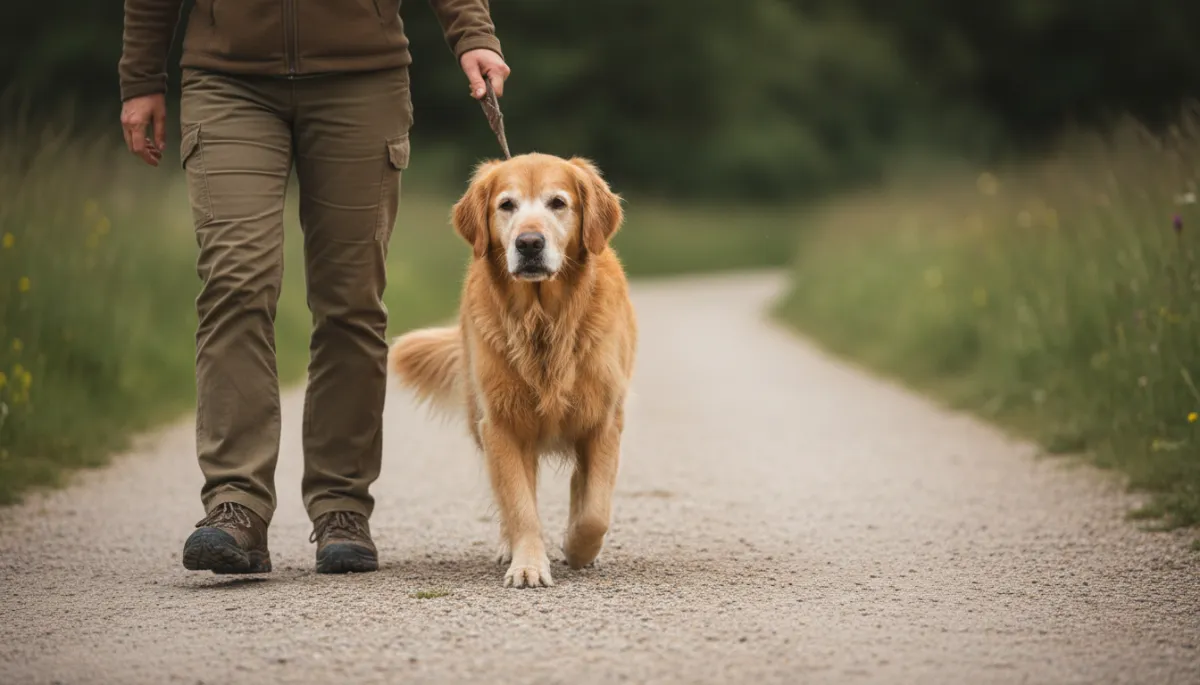
Gentle, regular movement helps senior dogs stay mobile, comfortable, and confident.
Is Your Dog Under-Exercised or Over-Exercised?
Your dog’s behavior is the best fitness tracker you’ll ever own. Watch for these signals and adjust your routine accordingly.
- Signs of under-exercise: nonstop barking, chewing furniture, zoomies at midnight, weight gain, digging, or pestering you constantly for attention. A tired brain and body usually mean a calmer dog at home.
- Signs of over-exercise: limping, sore muscles, refusing to walk, excessive panting that doesn’t ease, worn paw pads, or a dog who seems unusually stiff or exhausted the next day. Puppies and seniors are especially easy to push too far.
Fun Exercise Ideas Beyond Daily Walks
Walks are wonderful—but they’re just the starting line. Mixing in variety keeps your dog engaged and turns exercise into genuine enrichment.
- Sniffari walks: Slow strolls where your dog leads with their nose. Sniffing is mentally exhausting in the best way.
- Fetch with rules: Ask for a sit or down between throws, or hide the ball for a mini search game instead of endless sprints.
- Puzzle feeding: Use food-dispensing toys, snuffle mats, or scatter kibble in the yard so your dog hunts for each bite.
- DIY agility: Create simple jumps with broomsticks, weave between cones or plant pots, and practice controlled turns and stops.
- Swimming: Fantastic low-impact exercise for many dogs, especially sporting and working breeds, when introduced safely.
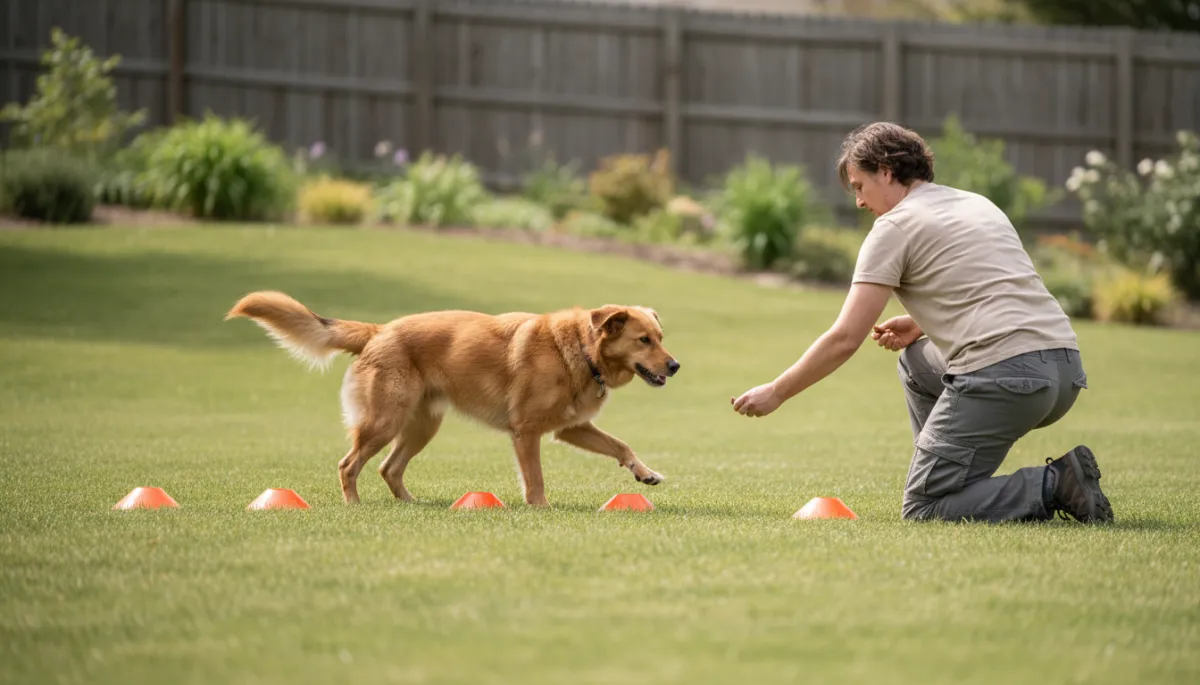
Simple backyard agility turns everyday exercise into a fun team sport.
How to Build a Balanced Exercise Routine
Think of your dog’s week like a workout plan, not a random collection of walks. A balanced routine blends physical, mental, and social activity.
- Start with a daily minimum. Choose a base amount from your dog’s breed and age—say, 45 or 60 minutes total—and split it into morning and evening sessions.
- Mix movement types. Combine brisk walks, off-leash play (where safe), training games, and sniff-based activities across the week so different muscles and senses get a turn.
- Schedule rest days. Especially for intense athletes or weekend warriors, build in lighter days with gentle walks and calm enrichment instead of high-impact play.
- Adjust with the seasons. On hot days, shorten and slow sessions, play in the early morning or evening, and lean on indoor games to avoid heat stress.
How Health Conditions Affect Exercise Capacity
Just like people, dogs have individual health limits—and respecting those limits is an act of love. Certain conditions call for modified routines and veterinary guidance.
- Joint issues (hip dysplasia, arthritis): Focus on low-impact movement such as swimming, soft-surface walks, and controlled strength exercises. Avoid jumping and sharp turns unless your vet says otherwise.
- Heart or respiratory disease: Keep sessions short and gentle, watch breathing closely, and stop at the first sign of fatigue or coughing. Temperature extremes are especially risky here.
- Brachycephalic (short-nosed) breeds: Pugs, French Bulldogs, and similar dogs overheat quickly. Prioritize slow, shaded walks, indoor games, and very careful monitoring of panting and tongue color.
The Bottom Line: Listen to Your Dog
When you match exercise to your dog’s breed, age, and health, you unlock the best version of them—relaxed at home, joyful on walks, and ready to partner with you in whatever adventure comes next. Start with the guidelines here, watch your dog’s signals closely, and tweak as you go. The perfect exercise plan is the one that leaves you both coming home tired, content, and eager to do it all again tomorrow.
