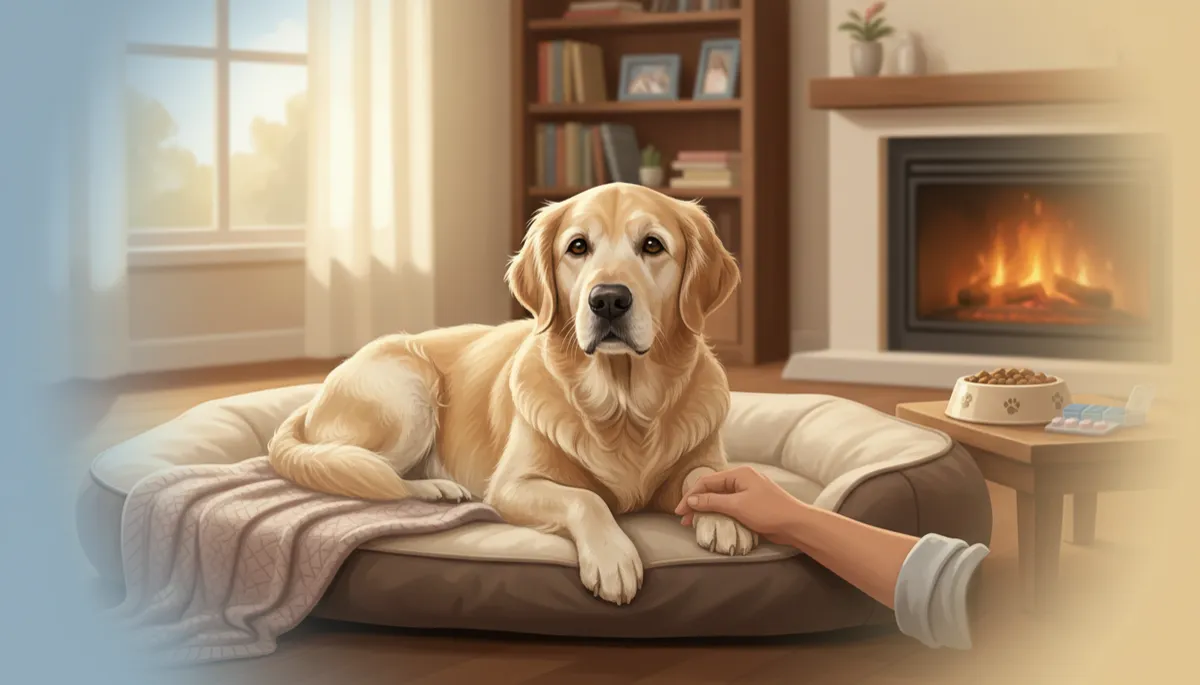
Senior Dog Care: Adjusting for Aging Pets
Dogs, Senior Dog Care, Pet Health
The Senior Dog: How to Adjust Care as Your Dog Ages
🐾 Brought to You by Kristi's Grooming — Bothell, WA
Is your dog due for a fresh groom? Our expert team is ready to make your pup look and feel their absolute best.
Watching a beloved dog grow older is both tender and bittersweet. Gray hairs, slower walks, and longer naps can tug at your heart, but they also signal a new chapter where your care can make your dog’s golden years deeply comfortable, safe, and full of love. With a few thoughtful adjustments, senior life can be gentle and joyful for both of you.
When Is a Dog Considered Senior?
Dogs don’t all age at the same pace. A Chihuahua and a Great Dane may be the same age on paper, but their bodies tell a different story. As a gentle guideline:
Small breeds (under 20 lbs) are often considered senior around 10–11 years.
Medium breeds (20–50 lbs) reach their senior years around 8–9 years.
Large and giant breeds (over 50 lbs) may be senior as early as 6–7 years.
These are starting points rather than rigid rules. Your vet can help you decide when to treat your dog as a senior, but if you notice slowing down, stiffness, or more frequent naps, it is wise to begin senior-style care, even if your dog is “young” on the calendar.
Physical and Behavioral Changes to Expect
Aging brings changes that can feel worrying, but many are a natural part of growing older. Common physical changes include graying fur around the muzzle, cloudy eyes, weight gain or loss, muscle loss, and slower recovery after activity. You may also see more stiffness when your dog gets up, or reluctance to jump into the car or onto the couch.
On the behavioral side, senior dogs might sleep more, be less tolerant of rough play, or seem clingier and more easily startled. Some become quieter and more reserved; others bark more, especially at night. Any sudden or dramatic change should be checked by your vet, but gentle shifts in energy, appetite, and routine are often part of normal aging.

Subtle shifts in mobility and sleep habits are often the first signs of aging.
Senior-Specific Nutrition Needs
As metabolism slows, many senior dogs need fewer calories but more targeted nutrients. A high-quality senior formula can support lean muscle while avoiding unnecessary weight gain that strains joints and organs. Look for foods with moderate fat, easily digestible protein, and added antioxidants to support the immune system.
Digestive health also becomes more delicate. Extra fiber can help regulate bowels, while omega-3 fatty acids from fish oil may ease inflammation. Always transition to new foods slowly and work with your vet to tailor portions, especially if your dog has kidney, heart, or endocrine issues that require special diets.
Supporting Joint Health and Mobility
Joint stiffness and arthritis are extremely common in older dogs, but your companion does not have to suffer in silence. Ask your vet about joint supplements containing glucosamine, chondroitin, green-lipped mussel, or omega-3s. These do not cure arthritis, but they can support cartilage and reduce inflammation over time.
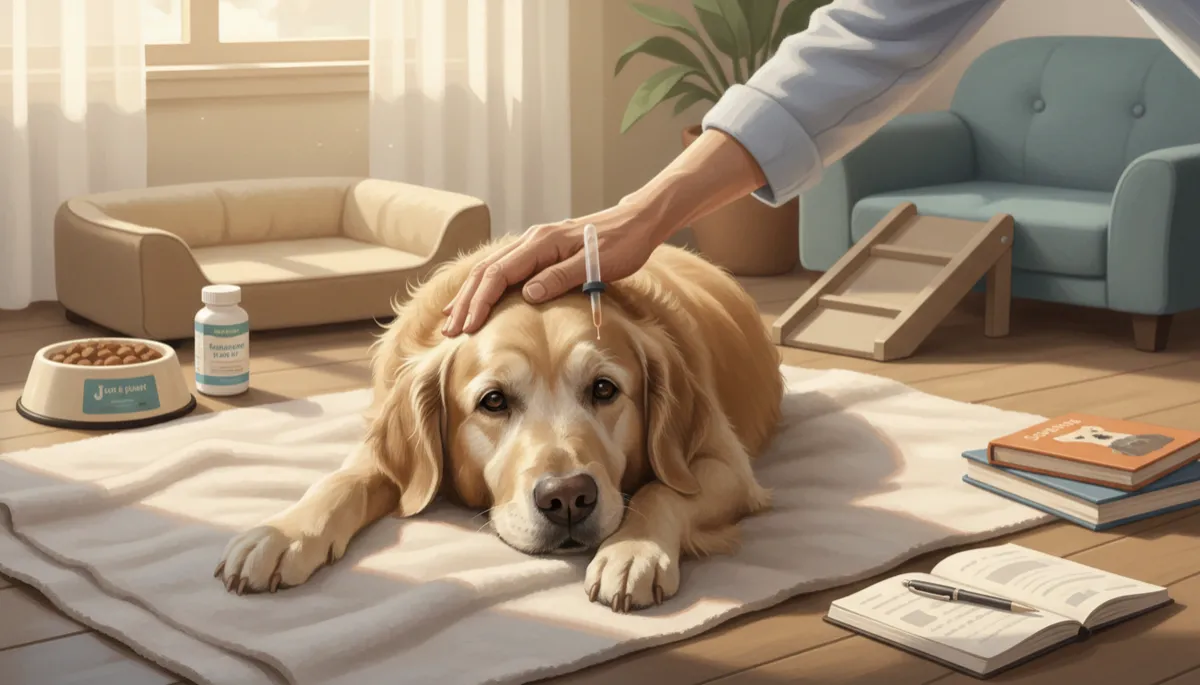
Many senior dogs also benefit from prescription pain relief, physical therapy, or gentle therapies like hydrotherapy and laser treatments. At home, small changes—like using ramps instead of stairs, placing non-slip rugs on slippery floors, and providing a supportive orthopedic bed—can make daily movement far more comfortable.
Adjusting Exercise for an Aging Dog
Senior dogs still need exercise; they simply need it in a gentler, more mindful way. Instead of one long, intense outing, try several shorter, slower walks throughout the day. Let your dog set the pace, and watch for signs of fatigue: lagging behind, heavy panting, or reluctance to continue.
Low-impact activities like sniff walks, swimming (if your vet approves), and simple indoor games keep joints moving and minds engaged. Mental enrichment—puzzle toys, scent games, gentle training refreshers—can tire your dog out without stressing the body, offering satisfying “work” that respects their age.
Short, gentle walks help maintain strength while respecting older bodies.
Grooming Changes in Senior Dogs
Grooming becomes more than just beauty care as dogs age—it is a chance to monitor their health with a loving, hands-on check. Senior skin may be thinner and drier, so use a gentle brush and mild, moisturizing shampoo. Keep nails trimmed short to improve stability, since long nails can make walking painful and clumsy.
During grooming sessions, feel for new lumps, sore spots, or changes in body condition. Check ears and teeth regularly, as dental disease and ear infections are common and uncomfortable. Move slowly, support stiff joints, and offer plenty of praise and breaks—grooming should feel like a calm, reassuring ritual, not a chore.
Cognitive Dysfunction Syndrome (Doggy Dementia)
Just like people, some older dogs develop cognitive decline, often called cognitive dysfunction syndrome (CDS) or “doggy dementia.” Signs can be subtle at first: wandering aimlessly, staring at walls, getting stuck in corners, pacing at night, forgetting housetraining, or seeming confused in familiar places. They may also become more anxious or vocal without an obvious reason.
While CDS cannot be reversed, medications, special diets rich in antioxidants and omega-3s, and consistent routines can slow progression and improve quality of life. Most importantly, respond with patience and reassurance. Your dog is not being “difficult”—their brain is changing, and they need your calm presence more than ever.
Making Your Home More Comfortable for an Aging Dog
A few thoughtful home adjustments can dramatically ease daily life for a senior dog. Provide soft, supportive bedding in quiet, draft-free spots, ideally with at least one bed on each floor of your home. Use ramps or pet stairs for sofas, beds, and cars, and add non-slip mats in hallways, kitchens, and bathrooms to prevent falls.
Keep essentials—water bowls, food, beds, and potty areas—easy to reach. For dogs with vision or cognitive changes, maintain a consistent furniture layout and avoid clutter that could trip or confuse them. Night lights in hallways can help them navigate after dark. Above all, protect their emotional comfort: keep routines predictable, speak gently, and carve out daily one-on-one time for cuddles, massage, or quiet companionship.
Growing old is a privilege not every dog receives. By adapting how you feed, exercise, groom, and house your senior companion, you honor the years of loyalty they have given you. With compassionate, age-appropriate care, your dog’s final chapters can be filled with ease, dignity, and the deep, steady love that only a lifelong bond can bring.
🐶 Ready to Book a Grooming Session?
At Kristi's Grooming in Bothell, WA, every dog gets the royal treatment. From baths and trims to full breed-specific styling — we've got your pup covered. Spots fill up fast, so don't wait!
Schedule Your Appointment Today →
📍 Kristi's Grooming • Bothell, WA • kristisgrooming.net
