
Separation Anxiety in Dogs: Causes and Solutions
Dogs, Separation Anxiety, Pet Behavior
Separation Anxiety in Dogs: Causes, Signs, and Solutions
🐾 Brought to You by Kristi's Grooming — Bothell, WA
Is your dog due for a fresh groom? Our expert team is ready to make your pup look and feel their absolute best.
Book a Grooming Session →If your dog cries, chews, or seems to panic when you leave, you are not alone—and neither is your dog. Separation anxiety can be heartbreaking and exhausting, but with understanding, patience, and the right plan, most dogs can learn to feel safer and more relaxed when home alone.
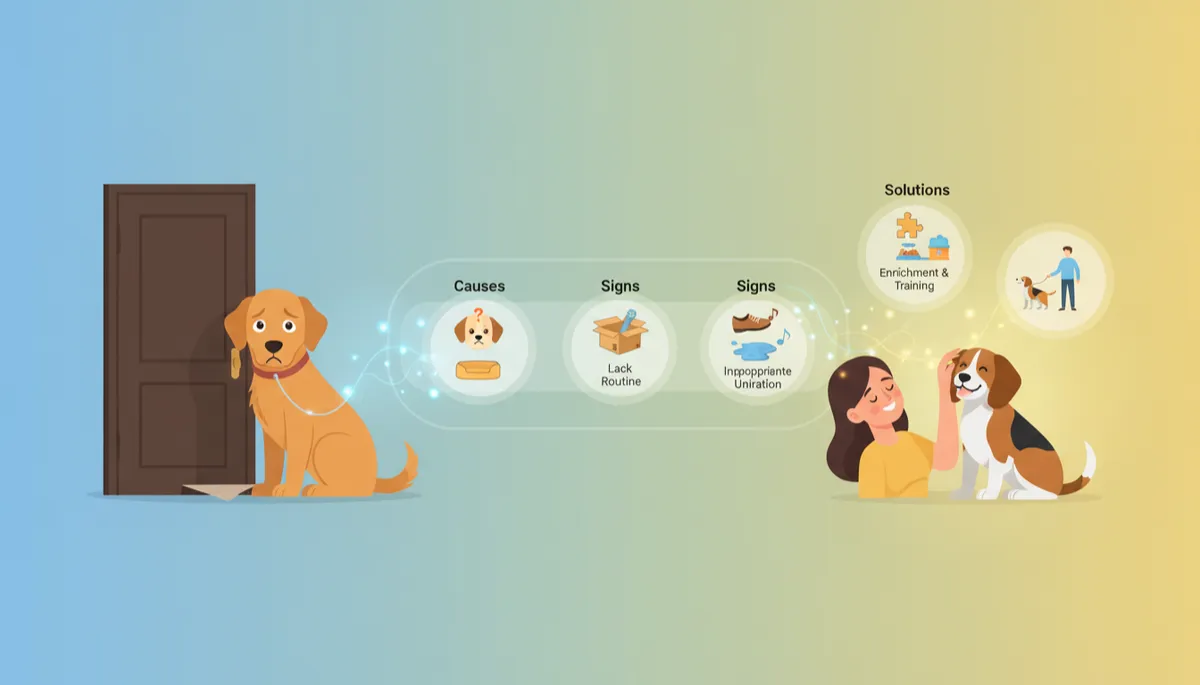
What Separation Anxiety Is (and How It Differs from Boredom)
Separation anxiety is an intense fear or distress that occurs when a dog is left alone or separated from a specific person. It is not your dog being “spiteful” or “dramatic”—it is a genuine panic response. Dogs with separation anxiety often feel as if their safety depends on being close to their person, so being left alone can feel terrifying rather than mildly uncomfortable.
Normal boredom looks very different. A bored dog might chew a shoe, dig in the yard, or raid the trash because it is fun, not because they are panicking. These dogs usually settle and sleep for much of the day, and their behavior is more “naughty” than desperate. With true separation anxiety, the behaviors are typically more intense, start soon after you leave, and have a frantic, uncontrollable quality.
Why Some Dogs Develop Separation Anxiety: Behavior and Biology
Separation anxiety usually develops from a mix of emotional learning and biology. Understanding these roots can help you respond with compassion instead of frustration when your dog struggles.
- Attachment and life changes: Dogs are social animals, and some form very strong attachments. Big changes—such as a move, divorce, schedule change, a child leaving for college, or a previous caregiver disappearing—can shake their sense of security and trigger anxiety when left alone.
- Genetics and temperament: Just like people, some dogs are simply more anxious by nature. Certain lines or breeds may be more prone to clinginess, sensitivity, or nervousness, which can make separation anxiety more likely to appear or more intense once it does.
- Past trauma or instability: Dogs from shelters, puppy mills, or homes with neglect or frequent rehoming may have learned that people come and go unpredictably. Even a single frightening event when left alone—like a storm, break-in, or painful medical episode—can become linked with solitude and fuel ongoing fear.
Classic Signs of Separation Anxiety in Dogs
Most dogs with separation anxiety show a cluster of recognizable signs, usually starting within minutes of you leaving or even as you prepare to go. Common indicators include:
- Destructive behavior: Chewing doors, doorframes, blinds, or window sills—especially near exits—rather than casually shredding toys or pillows.
- Excessive barking or howling: Continuous or intense vocalizing that may last much of the time you are gone, often reported by neighbors or captured on camera.
- House soiling: Urinating or defecating indoors despite being reliably house-trained, usually only when left alone and often near doors or windows.
- Pacing and restlessness: Repeatedly walking the same path, circling, or unable to settle, sometimes captured on a pet camera as constant movement rather than napping.
- Escape attempts: Scratching, digging, or throwing their body at doors, crates, or windows in an attempt to get out, sometimes injuring paws, nails, or teeth.
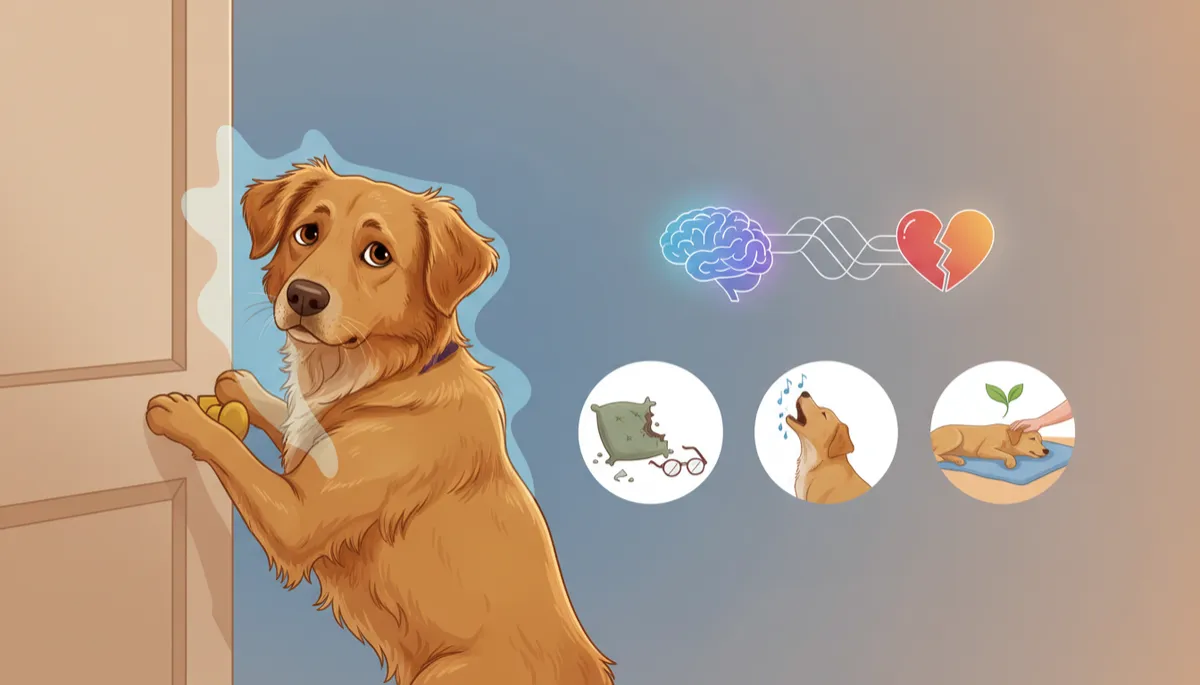
Panic-driven scratching or chewing at doors is a hallmark of true separation anxiety.
Is It Really Separation Anxiety? Ruling Out Other Issues
Before assuming your dog has separation anxiety, it is important to rule out other possibilities. Some medical conditions, noise phobias, or simple training gaps can mimic or worsen similar behaviors. A thorough veterinary exam is a kind first step, especially if house soiling, sudden behavior changes, or any signs of pain are present.
Video can be incredibly revealing. Set up a camera and observe the first 30–60 minutes after you leave. Dogs with separation anxiety usually show distress quickly: pacing, whining, drooling, or frantically checking doors and windows. If your dog calmly explores, chews a toy, and then naps, boredom, under-stimulation, or incomplete house training may be more likely than true separation anxiety.
A Gentle, Graduated Desensitization Plan
The most effective, humane treatment for separation anxiety is graduated desensitization: slowly teaching your dog that being alone is safe by working at a level they can handle. It takes consistency, but many guardians see steady progress with this approach.
- Start at your dog’s “no-panic” distance: This might mean stepping just outside the door for a few seconds or even practicing short “fake departures” where you pick up your keys and sit back down. The goal is zero visible anxiety.
- Build duration slowly: Gradually increase the time you are out—5 seconds, 10, 20, 30, and so on—only moving forward when your dog remains relaxed. Frequent, short sessions several times a week are more effective than occasional long ones.
- Pair alone time with good things: When appropriate, offer long-lasting chews, food puzzles, or stuffed Kongs that your dog only gets during these practice absences to help create positive associations with your departures.
- Avoid big setbacks when possible: During treatment, try not to leave your dog alone longer than they can handle. Use dog sitters, daycare, or trusted friends when you must be away for extended periods to prevent reinforcing the panic cycle.
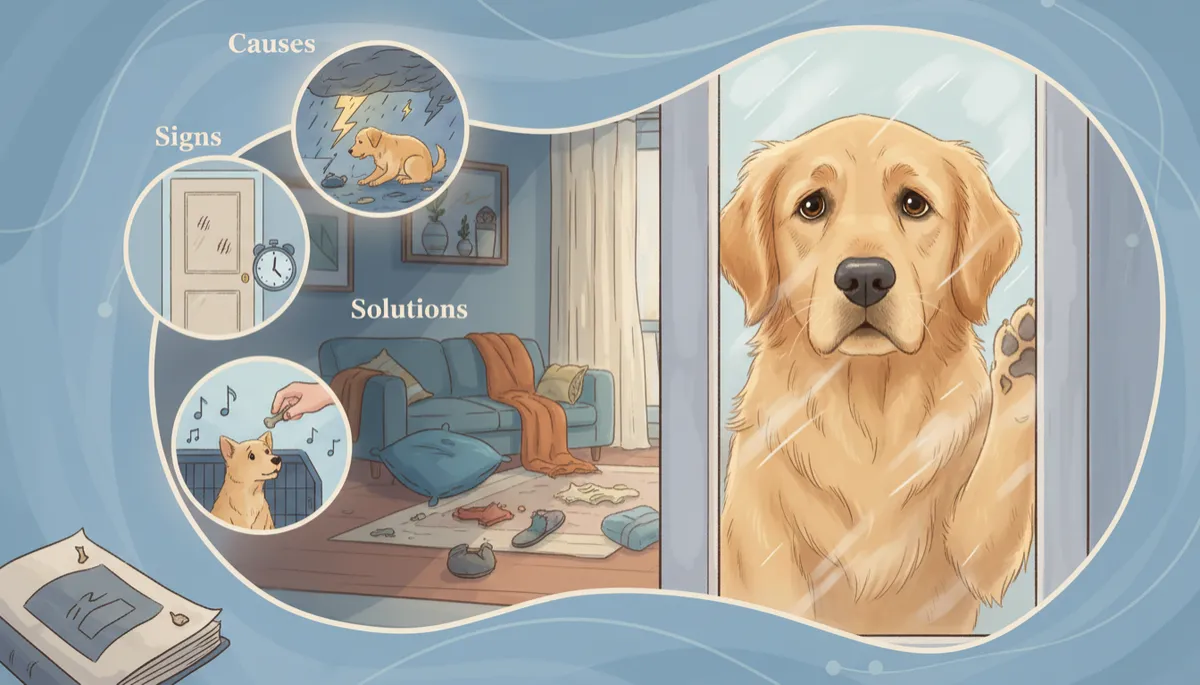
Pairing departures with soothing routines and enrichment helps dogs feel safer alone.
Medications, Natural Supports, and Crate Training Considerations
Some dogs are so distressed that behavior work alone is not enough. In these cases, veterinary-prescribed anti-anxiety medications can lower the intensity of fear so your dog is able to learn. These medications are carefully dosed, monitored, and often temporary, used as a bridge while training takes effect. Never start or stop medication without veterinary guidance.
Many guardians also explore natural calming aids such as pheromone diffusers, calming nutraceuticals (like L-theanine or certain milk-derived proteins), or veterinarian-approved herbal blends. While these are usually milder than prescription medications, they can be helpful additions to a broader plan. Always discuss supplements with your vet to avoid interactions or unsafe products.
Crate training deserves special care in separation anxiety cases. Some dogs feel safer in a cozy, well-introduced crate; others panic more when confined. If your dog injures themselves, drools heavily, or throws their body at the crate, it is likely not the right choice for alone time. Instead, consider a puppy-proofed room, baby gates, or a safe pen. If your dog does enjoy their crate, introduce it gradually with positive associations and avoid using it as punishment.
When to Call a Certified Animal Behaviorist
You do not have to navigate this alone. If your dog is injuring themselves, destroying doors or windows, howling for hours, or if your own stress and schedule feel overwhelming, it is a kind and proactive step to seek professional help. A veterinary behaviorist or certified dog behavior consultant with experience in separation anxiety can design a tailored plan, adjust it as you go, and coordinate with your veterinarian on medication when needed.
Look for professionals who use reward-based, fear-free methods and who are comfortable working via video if in-home visits are not possible. The right support can make the process feel far less lonely and confusing, and many guardians report that having a coach dramatically speeds up progress for both them and their dog.
Most importantly, remember that your dog’s anxiety is not a reflection of your love or effort. Separation anxiety is tough, but with empathy, structure, and sometimes professional guidance, many dogs learn that being alone is not so scary after all—and you both get to enjoy a calmer, more confident life together.
🐶 Ready to Book a Grooming Session?
At Kristi's Grooming in Bothell, WA, every dog gets the royal treatment. From baths and trims to full breed-specific styling — we've got your pup covered. Spots fill up fast, so don't wait!
Schedule Your Appointment Today →📍 Kristi's Grooming • Bothell, WA • kristisgrooming.net
