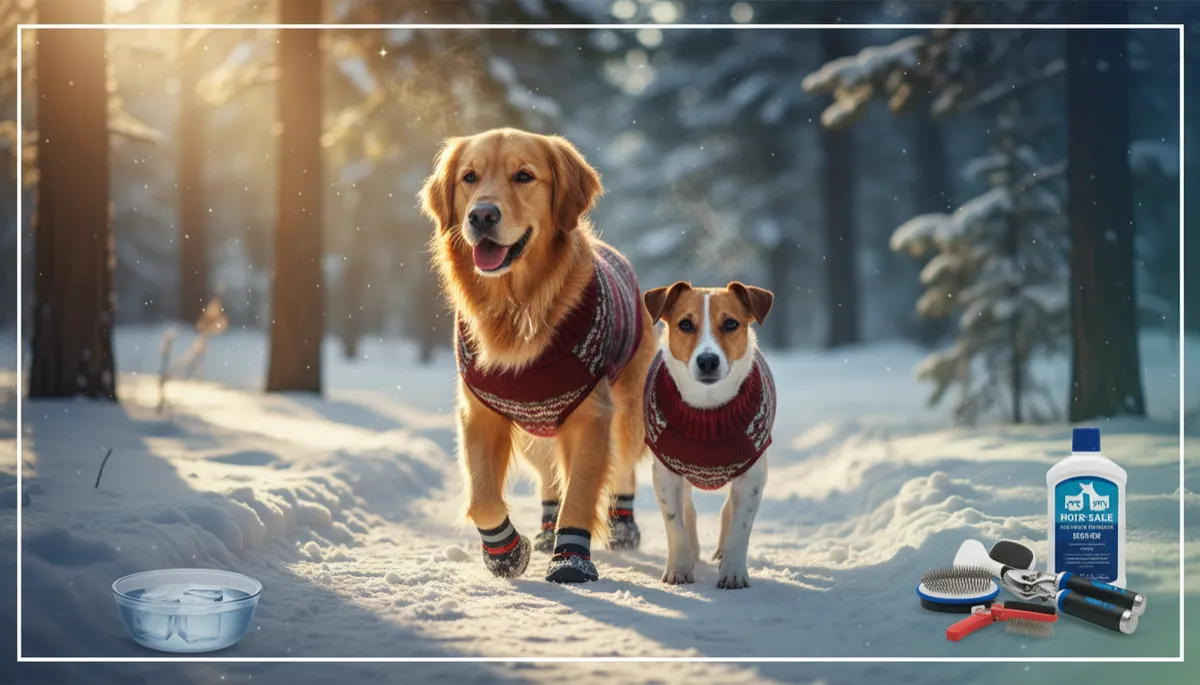
Winter Dog Care: Essential Cold Weather Tips
Dogs, Winter Care, Pet Safety
Winter Dog Care: Cold Weather Tips for Every Breed
🐾 Brought to You by Kristi's Grooming — Bothell, WA
Is your dog due for a fresh groom? Our expert team is ready to make your pup look and feel their absolute best.
Book a Grooming Session →When the temperature drops, our dogs still need fresh air, exercise, and mental stimulation—but they also need a bit of extra help from us. With a few practical adjustments, you can keep your dog safe, comfortable, and happy all winter long, no matter their breed or coat type.
How Cold Is Too Cold for Dogs?
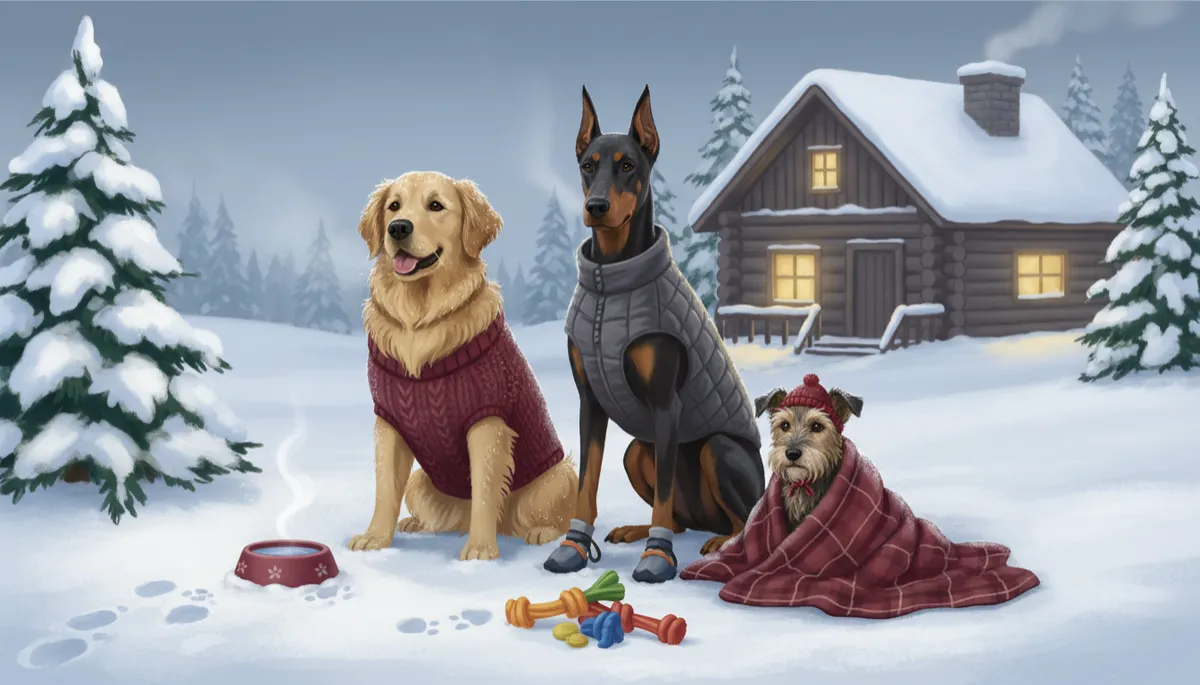
Not all dogs feel the cold in the same way. A Siberian Husky can happily bound through snow that would make a Chihuahua shiver in seconds. To judge what is “too cold,” think about your dog’s size, breed, and coat type.
- Small and toy breeds (Chihuahuas, Yorkies, Maltese) lose heat quickly. Around 40°F (4°C) they may start to feel uncomfortable, and below freezing they often need a coat and shorter outings.
- Short-coated breeds (Pit Bulls, Greyhounds, Boxers, Dalmatians) have little insulation. Many feel cold below 45°F (7°C) and should be closely monitored once temperatures dip below freezing.
- Medium and large double-coated breeds (Huskies, Malamutes, Newfoundlands) handle cold better. They may be comfortable around or even below freezing, but wind, wet fur, and age still matter.
Seniors, puppies, underweight dogs, and those with conditions like arthritis, heart disease, or endocrine issues are more vulnerable at any temperature. When in doubt, shorten outside time and watch your dog’s behavior: shivering, lifting paws, or trying to head home are signs they’ve had enough.
Early Signs of Hypothermia and Frostbite
Hypothermia happens when a dog’s body temperature drops too low. Frostbite is damage to tissues from extreme cold, usually affecting ears, tail, and paws. Catching both early makes a big difference.
- Hypothermia signs: strong shivering that may later stop, weakness, lethargy, cold ears and paws, pale gums, confusion, or clumsiness. Severe cases can lead to collapse—this is an emergency.
- Frostbite signs: very cold, pale, gray, or bluish skin on ears, tail tip, or paw pads that may become swollen and painful. As it warms, the area can turn red and blister.
If you suspect either, move your dog indoors immediately, wrap them in warm (not hot) blankets, and call your vet. Do not use hair dryers, heating pads, or hot water, which can burn chilled skin or cause sudden changes in circulation.
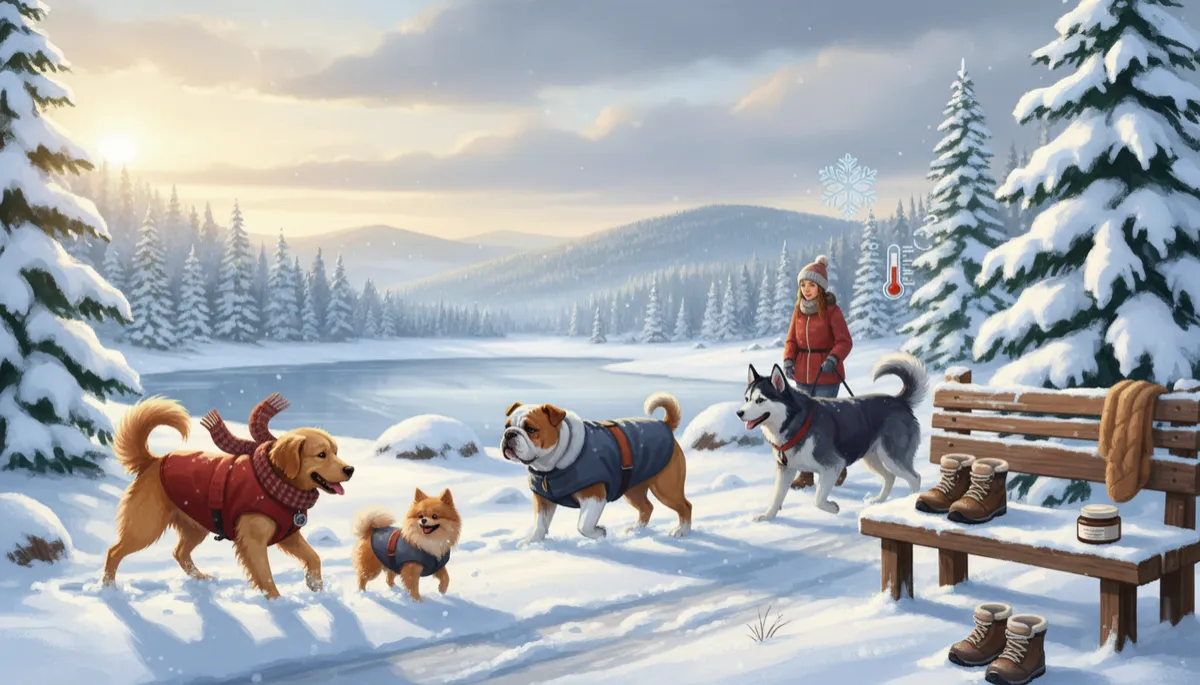
A quick towel dry after walks helps prevent frostbite and irritation.
Paw Protection: Boots, Paw Wax, and Salt Dangers
Winter sidewalks can be tough on paws. Ice, snow, and especially de-icing salts can dry, crack, and burn the pads. A little paw care goes a long way.
- Dog boots create a physical barrier against cold and chemicals. Introduce them gradually indoors with treats so your dog can adjust to the new feeling.
- Paw wax or balm is helpful for dogs who won’t wear boots. Applied before walks, it adds a protective layer and can help prevent snow from sticking between toes.
- Salt and chemical de-icers can sting and cause redness or cracking. Some are toxic if licked off. After each walk, rinse paws in a shallow bowl of lukewarm water or wipe them with a damp cloth, then dry thoroughly.
Check between toes for redness, cuts, or packed snow, and trim excess fur between paw pads to reduce ice buildup.
Jackets, Sweaters, and Adjusting Exercise
Short-coated, small, and lean breeds benefit from an extra layer when it’s chilly. Look for jackets or sweaters that cover the chest and belly, without restricting movement or covering bathroom areas. A snug but not tight fit is ideal; you should be able to slip two fingers under the fabric.
In very cold or windy weather, shorten outdoor sessions but keep your dog mentally and physically engaged. Try:
- Several shorter walks instead of one long outing
- Indoor games like scent work, tug, or hallway fetch
- Puzzle feeders and training sessions to burn mental energy
Hydration, Dry Skin, and Indoor Comfort
Many dogs drink less in winter because they’re not hot and panting as much, but they still need plenty of water for healthy joints, digestion, and temperature regulation. Refresh water bowls often and consider offering slightly lukewarm water, which some dogs find more inviting on cold days.
Indoor heating can dry out skin and coats, leading to itchiness and flakiness. Brushing a few times a week helps distribute natural oils and remove loose fur. A humidifier in the rooms where your dog spends the most time can also make the air more comfortable for both of you.
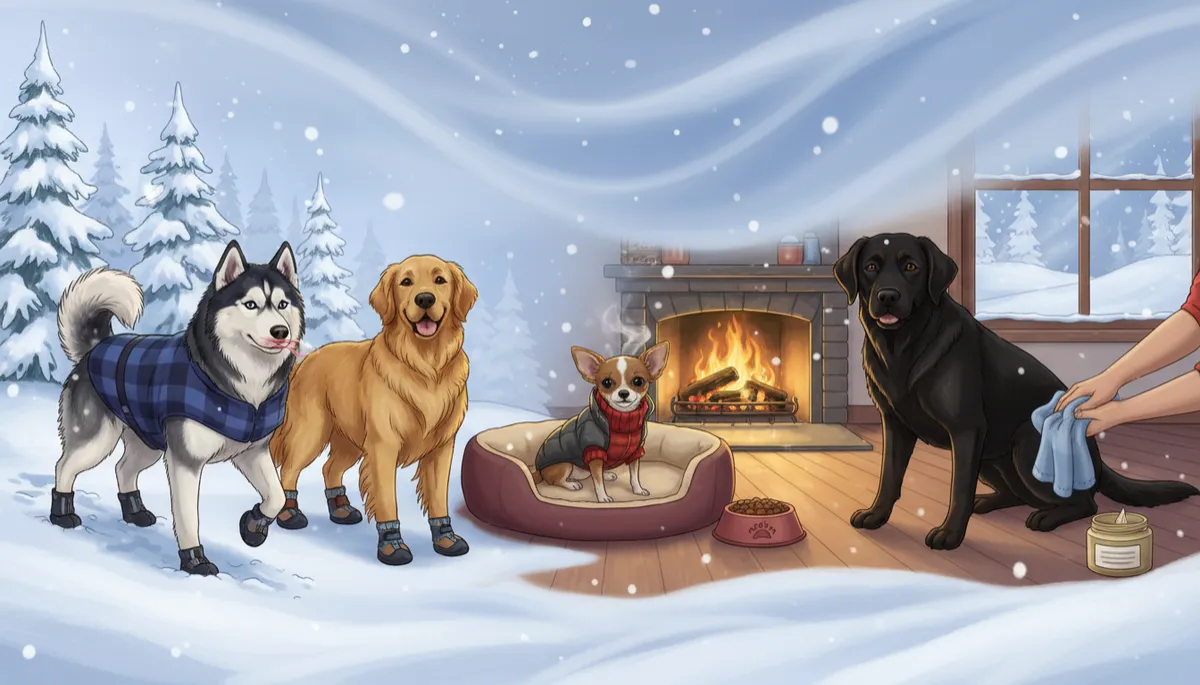
Fresh water and balanced humidity keep winter dryness and dehydration at bay.
Antifreeze Dangers and Winter Grooming Tips
One of winter’s most serious hazards is antifreeze, which often contains ethylene glycol—a sweet-tasting but highly toxic chemical. Even small amounts from driveway puddles or garage spills can be fatal. Keep all antifreeze containers tightly closed, clean spills immediately, and never let your dog drink from puddles. If you suspect ingestion, contact your vet or an emergency clinic at once; fast treatment is critical.
Grooming needs also shift in colder months. A slightly longer coat can provide extra warmth, so avoid shaving double-coated breeds down to the skin. Instead, focus on regular brushing to prevent mats, which trap moisture and chill the skin. After snowy walks, check for ice balls forming in feathering on legs, belly fur, and between toes. These can be painful and make walking difficult.
Use your fingers or a bowl of lukewarm water to gently melt ice from the fur, then dry thoroughly with a towel. If your dog frequently collects ice balls, talk with a groomer about a modest “winter trim” that keeps warmth while reducing problem areas.
With a bit of planning—protecting paws, watching for cold stress, keeping skin and coats healthy, and guarding against toxins—you can enjoy the best parts of winter with your dog. Snowy sniff walks, cozy evenings, and safe, happy adventures are all possible when you tailor your routine to the season and your dog’s unique needs.
🐶 Ready to Book a Grooming Session?
At Kristi's Grooming in Bothell, WA, every dog gets the royal treatment. From baths and trims to full breed-specific styling — we've got your pup covered. Spots fill up fast, so don't wait!
Schedule Your Appointment Today →📍 Kristi's Grooming • Bothell, WA • kristisgrooming.net
